

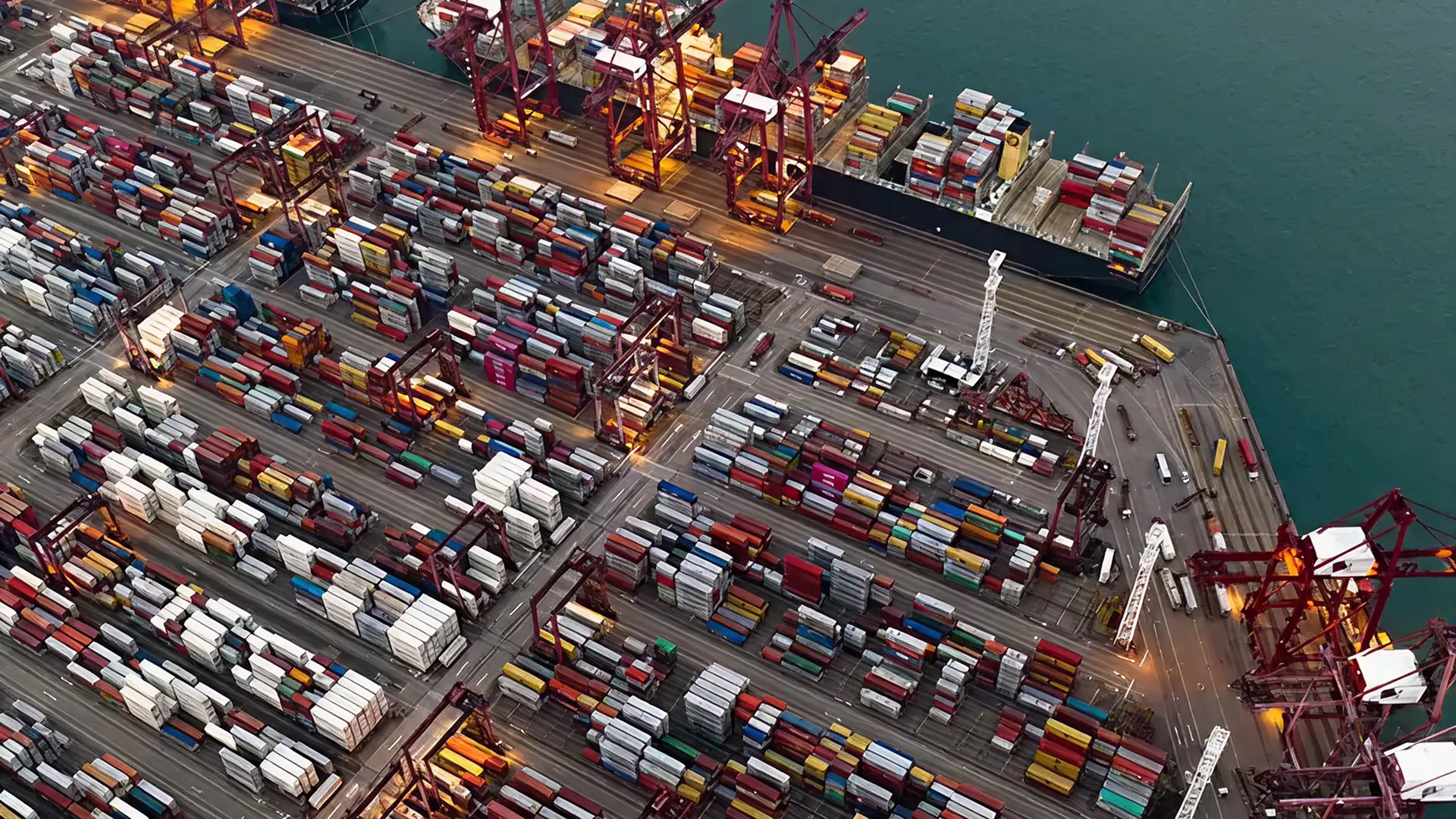
Optimize FMCG and retail operations from factory to shelf
Connect demand, inventory, commerce and fulfillment with real-time data and automation to improve product availability and deliver more consistent experiences across channels.
Connected retail and FMCG operations built around demand
Bring sales, inventory, customer and supply chain data together to improve planning, streamline fulfillment and create more connected experiences across physical and digital channels.
AI-powered demand forecasting
Use historical sales, demand trends and predictive analytics to improve forecasting, replenishment and inventory planning across products and locations.
Unified commerce operations
Connect e-commerce, POS, inventory and fulfillment systems to maintain consistent product, order and stock information across online and physical channels.
Consumer insights and sales intelligence
Combine CRM, transaction and customer data to understand buying patterns, monitor sales performance and support more relevant promotions and merchandising decisions.
The pressure to move faster across retail and FMCG
FMCG and retail businesses operate in fast-moving markets where demand, inventory and customer expectations can change quickly. Fragmented systems, limited visibility and manual processes make it harder to respond efficiently across channels and locations.
Volatile demand and limited inventory visibility
Demand shifts, supply disruptions and disconnected stock data can lead to overstock, stockouts and missed sales. Connected planning and real-time inventory visibility help teams respond more effectively.
Fragmented data slows decision-making
Sales, inventory, customer and operational data often sit across separate systems, making it harder to identify trends, understand performance and act on opportunities quickly.
Disconnected commerce and customer experiences
Separate POS, e-commerce, CRM and fulfillment systems can create inconsistent information across channels. Connected platforms help maintain more consistent product, order and customer experiences.
Manual processes limit speed and scalability
Repetitive warehouse, order and fulfillment tasks can slow operations as volume grows. Automation and connected workflows help improve consistency, coordination and throughput.
Growing pressure for responsible operations
Businesses face increasing expectations to improve resource efficiency, reduce waste and strengthen operational transparency across sourcing, inventory and fulfillment.
Measurable outcomes from connected FMCG and retail operations
Faster channel coordination. Connected commerce, inventory and fulfillment data help teams respond more quickly across physical and digital channels.
Better forecast accuracy. Connected demand, inventory and operational data improve planning and replenishment decisions.
Faster order fulfillment. Connected warehouse and delivery workflows help reduce delays from order placement to delivery.
Inventory and sales visibility. Unified dashboards provide clearer insight into stock, orders and performance across locations and channels.
From demand signal to shelf in one connected retail workflow
Connect sales, inventory, customer and fulfillment data across stores and digital channels. Each stage stays visible from demand planning and replenishment through order fulfillment and customer delivery.
Turn sales and customer signals into better demand decisions
Unified sales and demand data
Bring POS, e-commerce, historical sales and channel activity into one connected view so teams can understand demand across products and locations.
Demand forecasting
Use sales trends, seasonality and predictive analytics to anticipate demand changes and improve planning before stock decisions are made.
Promotion and assortment planning
Coordinate promotions, product availability and location-level demand so merchandising and inventory plans stay aligned.
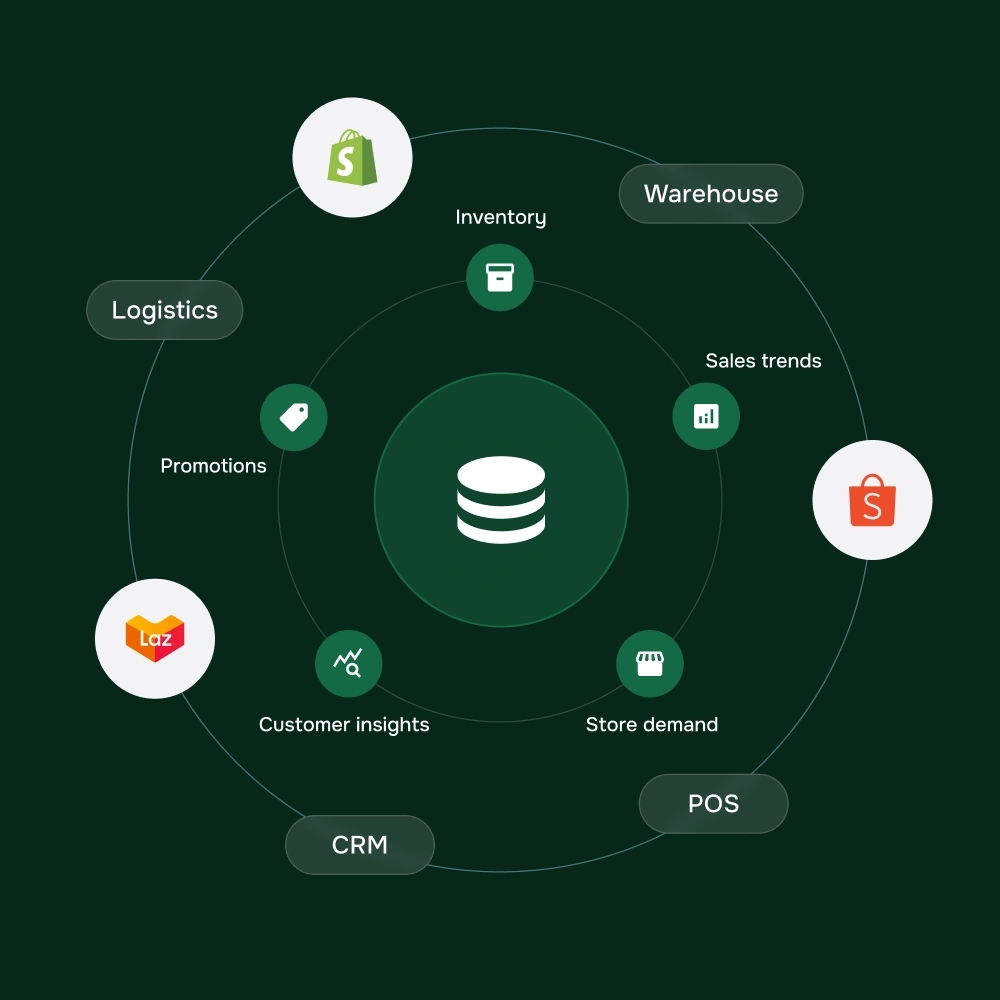
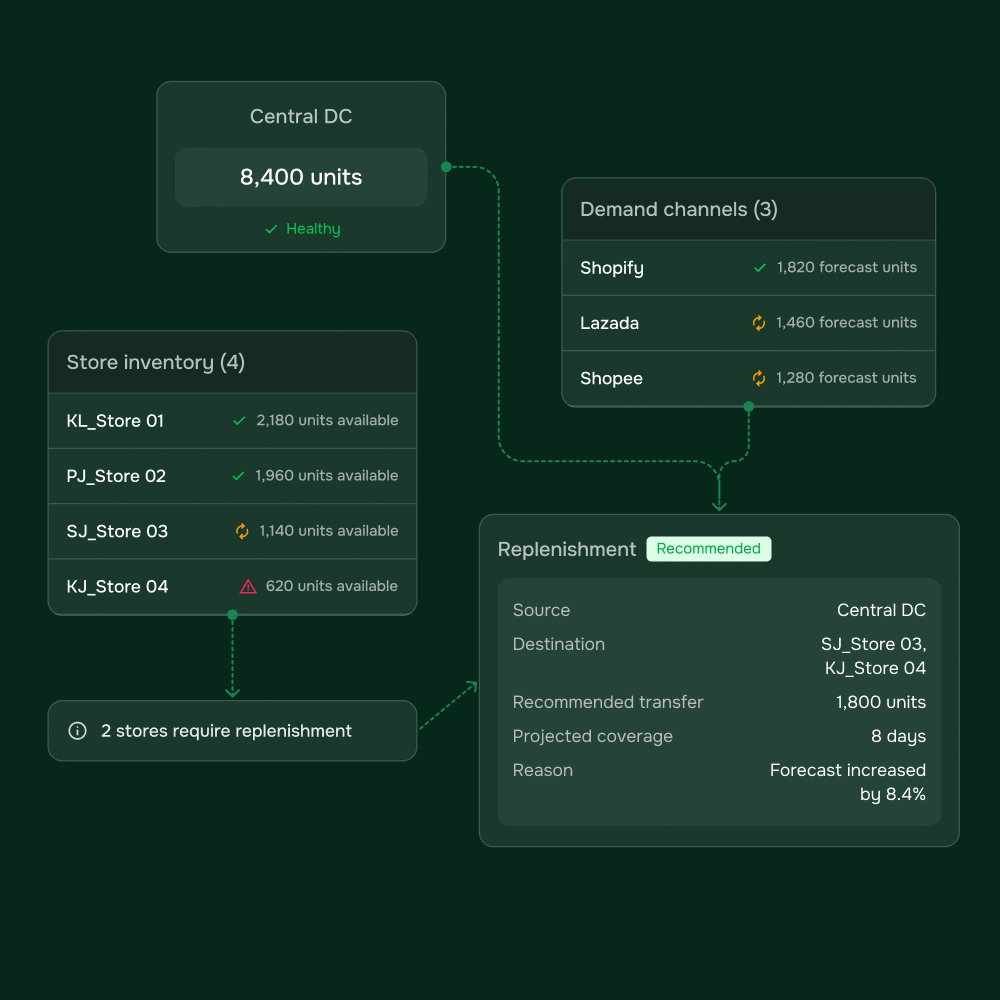
Keep the right products available across stores and fulfillment locations
Real-time inventory visibility
Monitor stock across stores, warehouses and channels through connected inventory data, giving teams a clearer view of product availability.
Automated replenishment
Use demand, stock thresholds and replenishment rules to trigger inventory movement or purchasing before availability becomes constrained.
Stock exceptions and allocation
Surface low-stock, overstock and allocation issues early so teams can redistribute inventory and respond to changing demand.
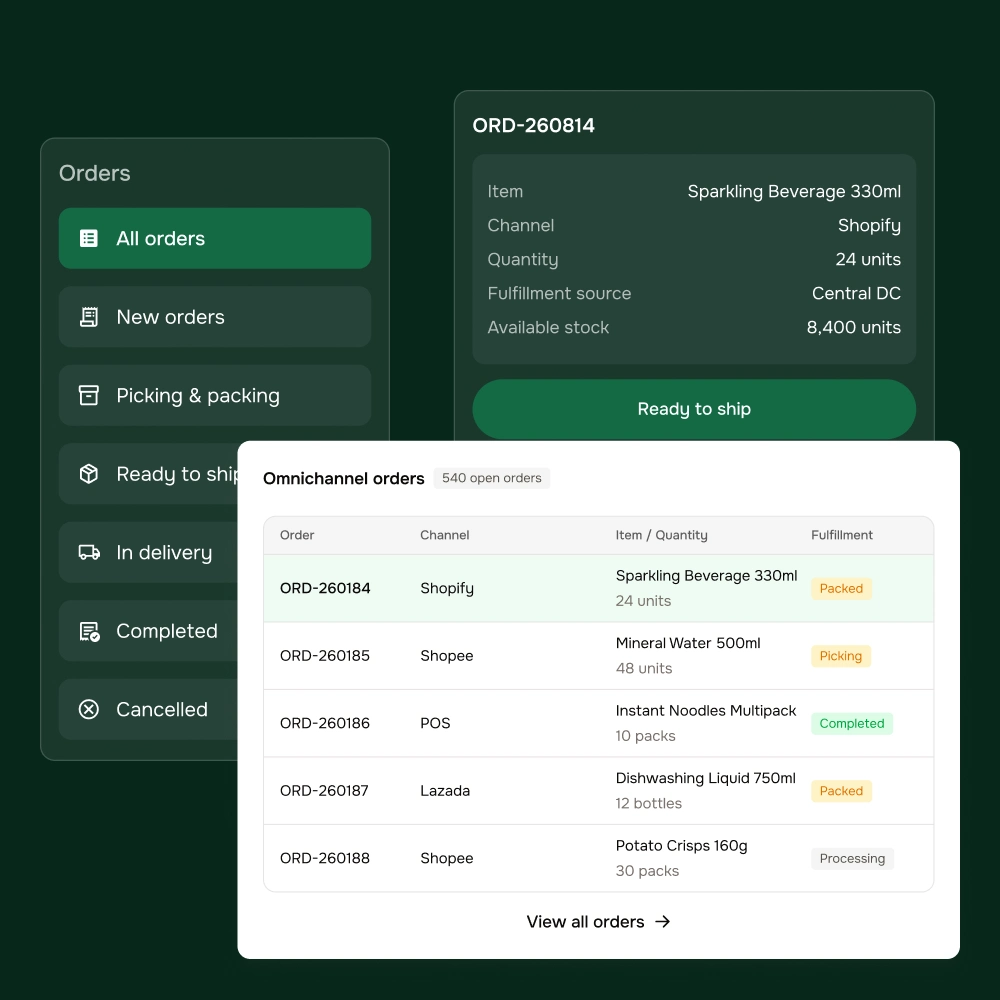
Coordinate orders from checkout through fulfillment and delivery
Unified order orchestration
Connect orders from POS, e-commerce and other channels into a shared fulfillment workflow with consistent customer and order information.
Store and warehouse fulfillment
Route orders based on stock availability, location and fulfillment rules while coordinating picking, packing and dispatch operations.
Customer and delivery visibility
Provide order status and fulfillment updates while giving teams clearer visibility into delivery progress, exceptions and service activity.
Frequently asked questions
Common questions about connected retail operations, system integration, AI, multi-store scalability and implementation.