

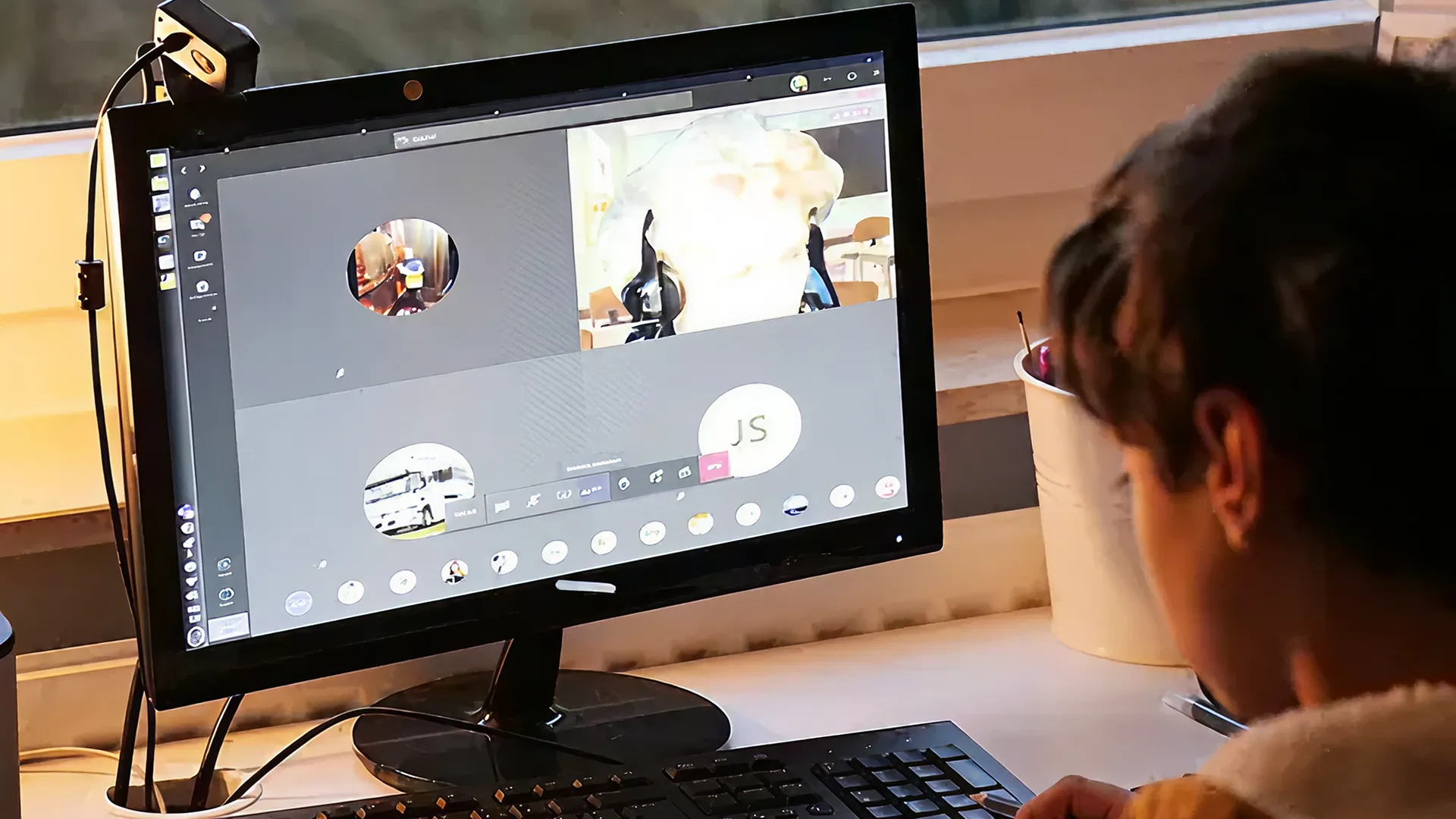
Modernize learning with connected digital platforms
Connect learning, student services and academic data through flexible digital platforms that improve access, visibility and engagement.
Connected learning platforms for modern education
Bring learning delivery, student information and academic insights together through integrated platforms that help institutions manage operations, support learners and make better-informed decisions.
Learning management systems
Deliver courses, assessments and learning content through centralized LMS platforms that support flexible access, administration and learner engagement.
Student information systems
Connect enrolment, attendance, academic records and student services within a centralized system that improves visibility and streamlines administration.
Learning analytics and insights
Use dashboards and academic data to monitor learner progress, identify trends and give educators clearer insight into engagement and performance.
The pressure to modernize education and learning
Educational institutions face growing expectations to improve learning access, student services and operational efficiency. Legacy systems, disconnected platforms, limited data visibility and manual processes can make it difficult to deliver connected digital learning experiences at scale.
Legacy systems that limit digital learning
Aging platforms can be difficult to scale, integrate and support across hybrid and online learning environments, increasing administrative effort and limiting flexibility.
Disconnected learning and student systems
LMS, student information, assessment and administrative systems often operate separately, creating repeated data entry, fragmented workflows and inconsistent information across teams.
Limited visibility into learner progress
Without connected learning data and analytics, educators may struggle to identify engagement patterns, learning gaps and students who need additional support.
Manual academic and student workflows
Enrollment, attendance, assessments and student service processes can require repetitive administrative work. Connected workflows help standardize processes and improve visibility.
Growing expectations for accessible learning
Students increasingly expect flexible, mobile-friendly access to learning materials, academic services and communication across devices and locations.
Measurable outcomes from connected digital education
Faster learning content delivery. Centralized learning platforms help institutions publish, update and distribute courses and learning resources more efficiently.
Less administrative effort. Connected student systems and automated workflows reduce repetitive enrollment, attendance and academic processing.
Learning visibility. Connected dashboards provide educators and administrators with clearer insight into engagement, progress and academic activity.
Student services and data. Integrated learning and administrative platforms reduce fragmented information across academic and student-service workflows.
From student onboarding to learning progress in one connected platform
Connect student information, learning delivery and academic activity through one digital experience. Each stage stays visible from enrollment and course access through assessments, progress tracking and learner support.
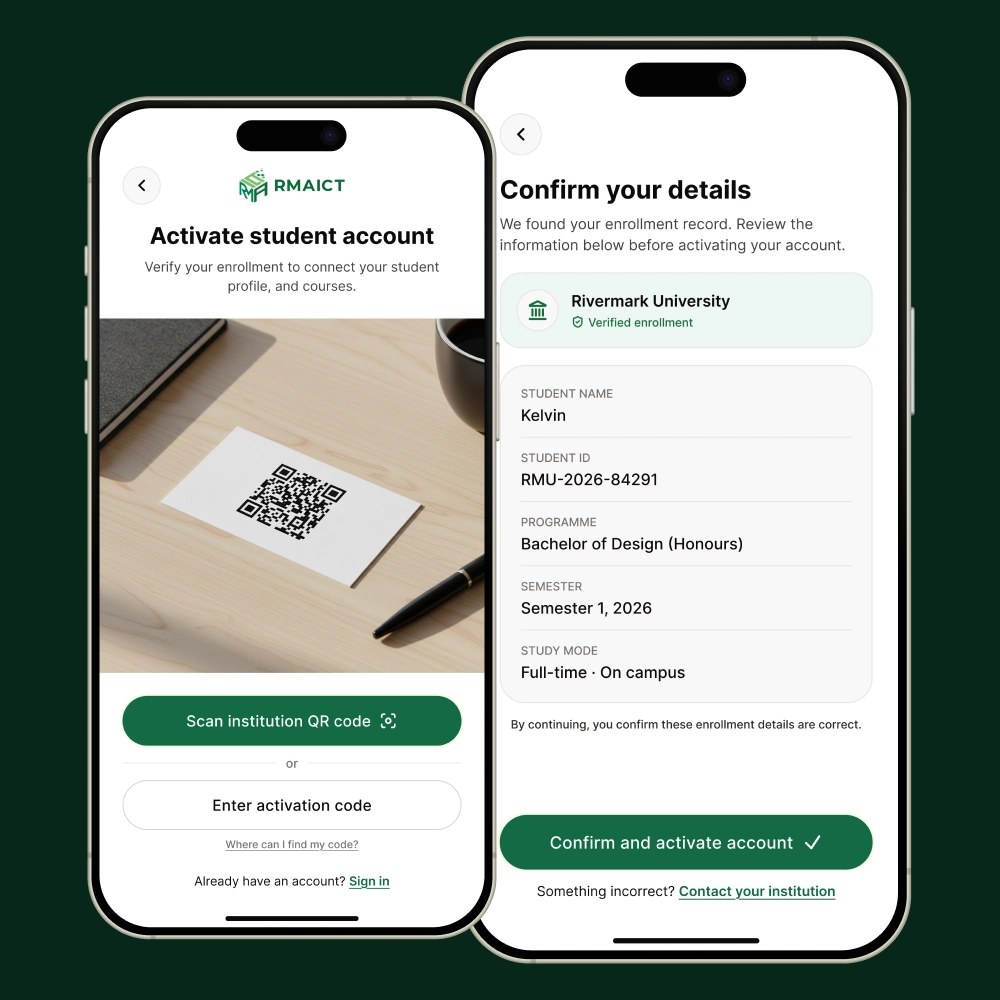
Connect students to the right learning experience from the start
Digital enrollment and student profiles
Capture enrollment information and maintain connected student records so academic and administrative teams work from consistent data.
Course and programme assignment
Assign learners to programmes, courses and learning groups based on enrollment, academic requirements and institutional rules.
Access and communication
Provide students with secure access to learning services while coordinating important notices, schedules and onboarding information.
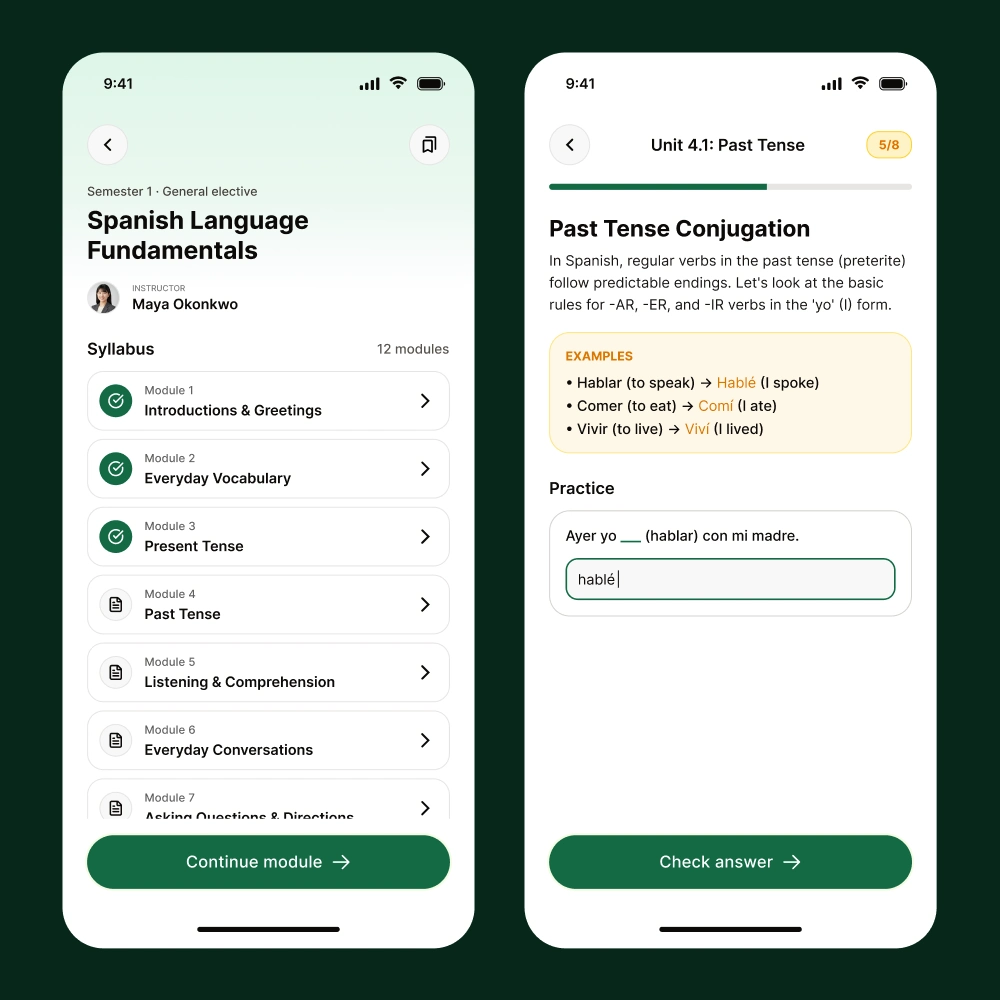
Bring courses, assessments and learning activity into one connected experience
Centralized learning content
Organize course materials, lessons and learning resources within a shared platform that supports classroom, hybrid and online delivery.
Assessments and submissions
Manage assignments, quizzes, submissions and grading workflows while keeping academic activity connected to each learner.
Flexible learning access
Give students responsive access to learning materials, schedules and activities across desktop, tablet and mobile devices.
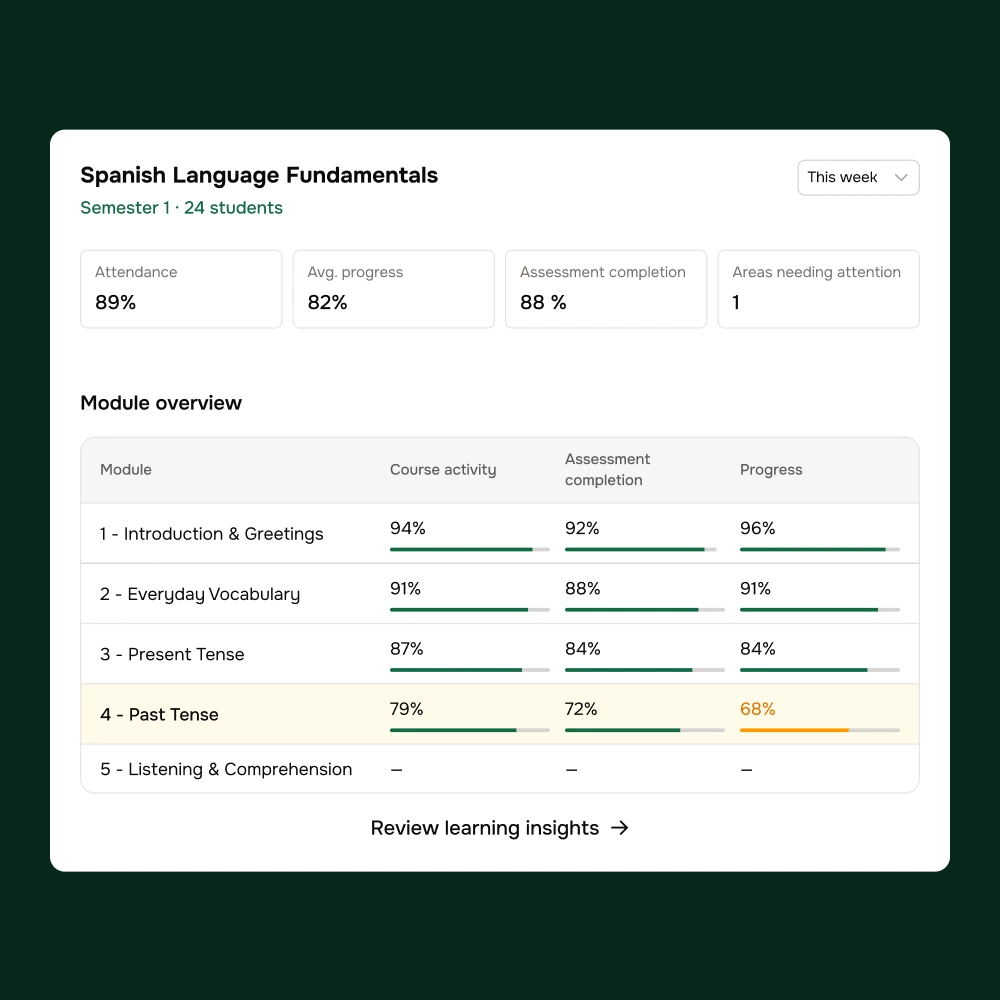
Give educators clearer visibility into learner progress and academic activity
Learning progress visibility
Bring attendance, assessments and course activity into connected dashboards so educators can monitor progress and identify areas requiring attention.
Learner support signals
Surface patterns such as incomplete activities, declining engagement or upcoming academic requirements to help teams provide more timely support.
Connected academic workflows
Coordinate results, notifications, reporting and administrative follow-up through connected workflows that reduce repeated manual handling.
Frequently asked questions
Common questions about learning platform customization, student engagement, data privacy, implementation and access.